
All Quantum Policy & Sovereignty Posts
-
The Quantum Utility Map
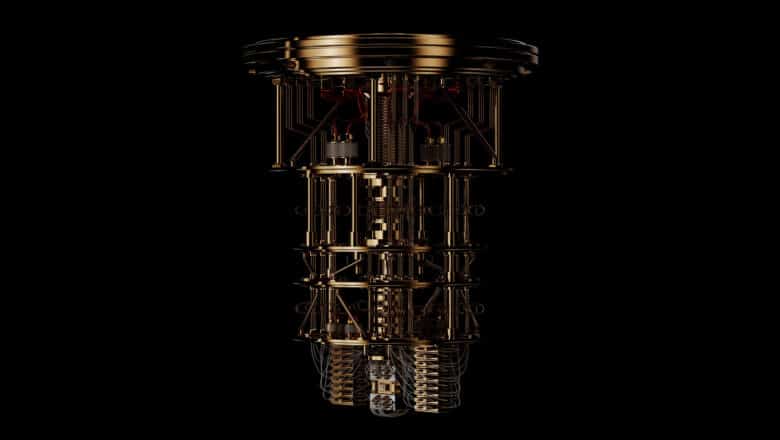
Quantum Sovereignty and the Utility Trap
The industries where quantum computing creates the most value are the ones most critical to national security. The hardware serving them is concentrated, and the architectural decisions that settle sovereign or dependent access are being made now.
Read More » -
China's Quantum Ambition
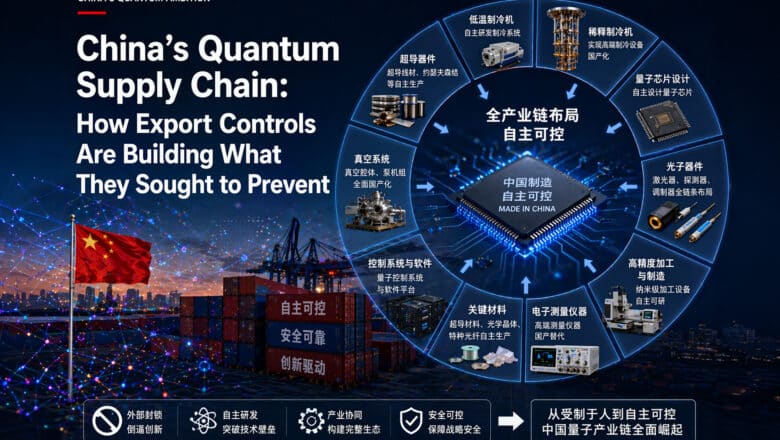
China’s Quantum Supply Chain: How Export Controls Are Building What They Sought to Prevent
In June 2023, a Zhejiang University graduate named Chen Jie sat for an interview with a Chinese tech columnist. Chen had founded a cryogenics company called CSSC Pengli in Nanjing thirteen years earlier — a subsidiary of China State Shipbuilding Corporation that made cooling systems for MRI machines. Nobody in the West had heard of him. His company had just been placed on the US…
Read More » -
China's Quantum Ambition
The Leapfrog Doctrine: How China Systematically Conquered Every Technology It Targeted
Almost fifteen years ago, I stood on the mezzanine floor of a manufacturing facility in Dongguan, staring into the dark. Literally. Below me, a sprawling production line hummed with the rhythmic, pneumatic hiss of assembly arms and the whine of servos. There were no overhead lights. There were no workers on the line. There was only the glow of status LEDs blinking in the gloom,…
Read More » -
Quantum Sovereignty
Quantum Sovereignty & Geopolitics
Quantum technologies are leaving the lab and entering the machinery of national power — and "quantum sovereignty" is becoming a blunt strategic question: who can build, operate, trust, and control quantum capabilities under geopolitical stress, without being cut off? This article is the roadmap for the Quantum Sovereignty & Geopolitics series, which treats sovereignty as more than a slogan. Starting with a primer on the…
Read More » -
Quantum Sovereignty

Quantum Sovereignty in Practice: When Geopolitics Becomes Architecture
At its core, quantum sovereignty means having full control over the critical layers of quantum technology domestically - the ability to design, manufacture, and operate quantum systems without external dependency. In practice, this implies a country could build a complete full-stack quantum ecosystem entirely within its national borders: from quantum chips and cryogenic hardware to software, algorithms, and encryption protocols. The allure of this vision…
Read More » -
Quantum Policies
NIS2, DORA, and the EU Post-Quantum Roadmap
If you are a CISO under NIS2 or DORA, you are already expected to run a risk-management system that tracks material, evolving threats - and to implement “state‑of‑the‑art” controls appropriate to the risk. The EU’s PQC roadmap is effectively saying: quantum is now one of those evolving threats you must govern. The most important conceptual shift for leadership teams is this: the EU is not (yet)…
Read More » -
Quantum Policies
The Complete US Post-Quantum Cryptography (PQC) Regulatory Framework in 2026
Three pillars anchor the US PQC framework: the Quantum Computing Cybersecurity Preparedness Act (federal law that no executive order can undo), NSM-10's 2035 migration target (still in force), and NIST's finalized FIPS standards (published August 2024). The Trump administration's June 2025 executive order streamlined, rather than eliminated, PQC obligations, removing prescriptive procurement mandates while retaining the CISA product category list and a TLS 1.3 deadline…
Read More » -
Quantum Policies
No Single Law, No Single Excuse: How Canada Regulates PQC Without Saying “Quantum”
Canada's visible PQC guidance - three documents published mid-2025 - is just the tip. Beneath it sits a layered enforcement framework spanning financial regulation, critical infrastructure law, privacy obligations, and securities disclosure that collectively creates binding pressure for quantum readiness. OSFI already requires federally regulated financial institutions to maintain "strong cryptographic technologies" and has issued a direct quantum readiness bulletin. The pending CCSPA would add…
Read More »


