Deep Dives are PostQuantum.com’s long-form research series. Each one explores a major quantum technology or security topic across multiple articles — with a capstone that ties the narrative together, individual articles that go deep on each dimension, and (where relevant) interactive tools and companion databases. Within each series, articles are designed to be read in sequence or used as standalone reference when you need them. The seventeen series below are independent of each other — start with whichever topic matters most to you.
Section
Quantum Systems Integration
Open architecture, modular hardware, and building quantum computers from components
Integration guides for assembling quantum computers from commercially available modular components. Every major modality covered — superconducting, trapped ion, neutral atom, photonic, silicon spin — from empty lab to first qubit signal, with vendor landscapes, procurement guidance, cost models, and the Q-PAC five-month deployment playbook as the reference.
The hidden supply chains behind every major quantum computing modality. Dilution refrigerators, precision lasers, photonic foundries, isotopically purified silicon — who supplies them, where the bottlenecks are, and who wins if each modality wins.
How quantum computing moves from monolithic black boxes to modular, open, composable systems — from control electronics and operating systems through heterogeneous architectures to cloud delivery and QaaS.
A field guide to every way humanity is trying to build a quantum computer — superconducting, trapped-ion, photonic, neutral-atom, silicon spin, topological, and the exotic frontier. The physics, the trade-offs, the companies, and the honest path to scale.
Section
Quantum Security, PQC Migration & Q-Day
Threat assessment, standards, mandates, migration frameworks, and deadlines
The nine capabilities a quantum computer must master to break cryptography — mapped, measured, and scored across modalities. From error correction and magic state production to continuous multi-day operation, plus the total cost and energy analyses.
When will a quantum computer break today’s cryptography? Frameworks, forecasts, and the CRQC Readiness Benchmark — plus the interactive Q-Day Estimator tool, and the argument that regulators have already set the real deadline.
A practitioner’s roadmap for launching and running a quantum-readiness program — from boardroom mandate and budget justification through cryptographic discovery, CBOM construction, risk scoring, hybrid pilots, infrastructure hardening, and vendor governance.
The complete quantum security landscape for CISOs and security leaders, mapped across sixteen concepts: the algorithms quantum computers will break, the resource estimates that keep shrinking, the HNDL and Trust Now Forge Later threats active today, the NIST standards now shipping in production, the CNSA 2.0 deadlines, and the migration program that spans upwards of 120,000 tasks in a large enterprise.
Who leads PQC migration, how boards govern it, and how to fund and execute it. Ownership models, steering committee design, budget justification frameworks, workforce planning, and the organizational dynamics that determine whether migration programs succeed or stall.
PQC deadlines are now set across 15+ countries. Every mandate mapped, from CNSA 2.0 and NSM-10 to the EU Cyber Resilience Act and sector-specific requirements in finance, telecom, and defense — tracking where national requirements converge, where they diverge, and the compliance gaps that catch multinationals off guard.
NSA’s post-quantum cryptography requirements decoded. The required algorithms, the enforcement timelines, defense contractor and vendor compliance obligations, and the broader implications of CNSA 2.0 for organizations beyond the National Security Systems perimeter — including commercial firms in the defense supply chain.
Quantum resource estimates for breaking Bitcoin’s ECDSA and Ethereum’s cryptographic stack, protocol-level migration options, the governance bottlenecks that make blockchain harder to migrate than enterprise IT, and realistic timelines for when the threat becomes operational.
Section
More Deep Dives
Geopolitics, sovereignty, industry landscape, applications, and spotting the hype
Who can build, operate, trust, and control quantum capabilities under geopolitical stress — without being cut off? Export controls, supply chains, alliances, capital, talent, espionage, and the operational playbook for turning sovereignty from ambition into architecture.
What will fault-tolerant quantum computers actually be used for? A comprehensive mapping of every major algorithm resource estimate to the real-world problem it solves, the hardware it requires, and the industries it will transform — with honest assessments of where the evidence is strong and where the hype has outrun the science.
An honest assessment of China’s national quantum program — cutting through both the hype that inflates its capabilities and the denialism that dismisses them. Policy, investment, talent, infrastructure, and the question the West keeps getting wrong.
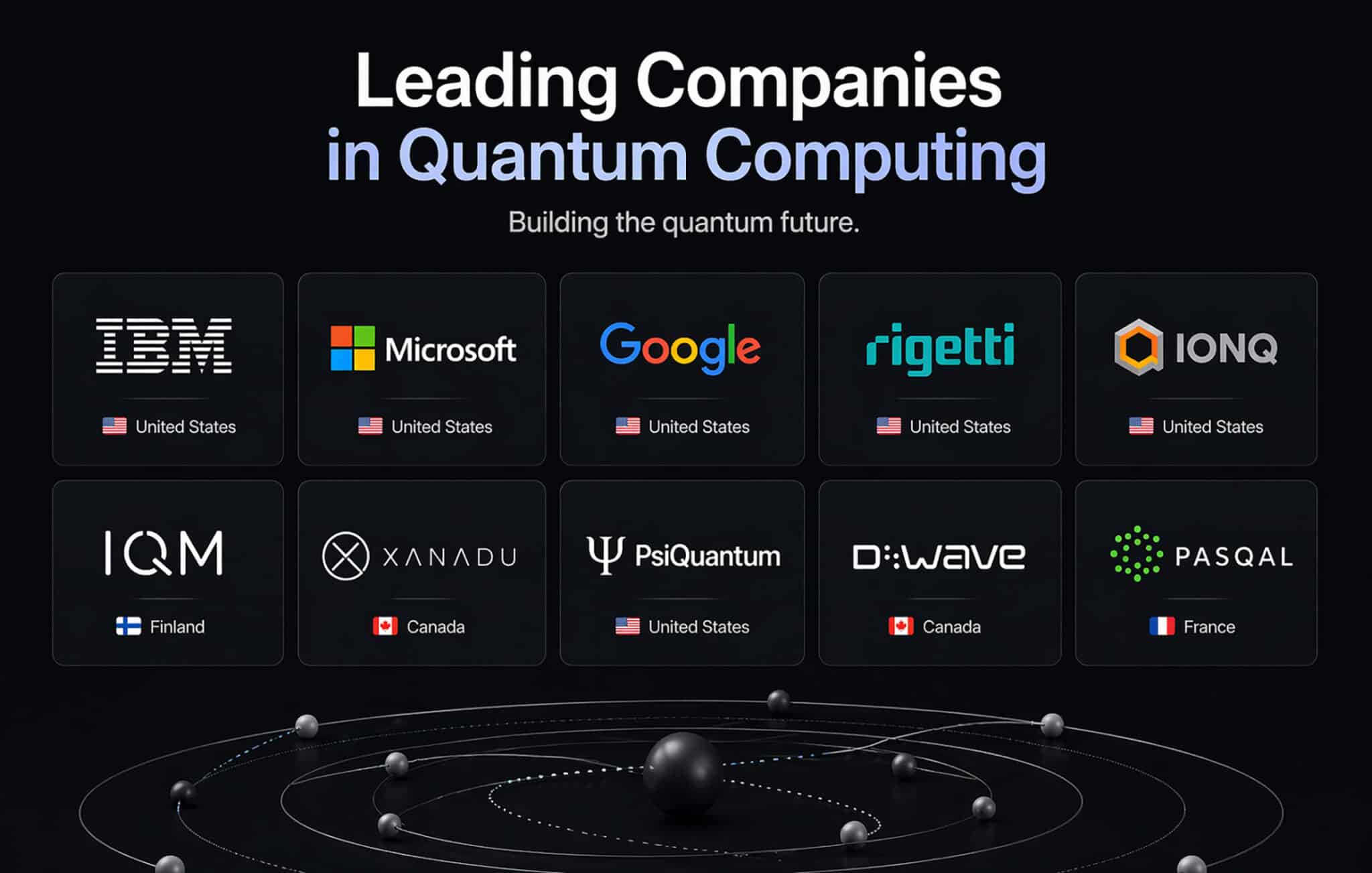
Detailed profiles of every major quantum hardware company — their modality, roadmap, funding, competitive position, and CRQC relevance — plus a searchable database to compare them all. The capstone analysis reveals the patterns that emerge when you read 60+ roadmaps together.
A term-by-term field guide to misleading quantum technology marketing. Nine fabricated red-flag terms that signal scams or pure hype, seven legitimate physics concepts stripped of their qualifying assumptions in vendor pitches, a capstone mapping the patterns, and a companion guide to the 16 deflection tactics questionable vendors deploy when you ask hard questions.