Quantum Open Architecture (QOA) & Quantum Systems Integration: From Monoliths to Modular Quantum Computing


Table of Contents
Introduction
Today’s quantum computers are monoliths. A single vendor designs the qubit chip, builds the control electronics, writes the firmware, develops the software stack, and operates the cloud platform. The customer gets a black box — an impressive, expensive, proprietary black box with no ability to swap components, mix vendors, or customize the stack for their specific problem.
This is exactly where classical computing was in the 1960s.
The mainframe era worked the same way: IBM built the processor, the memory, the operating system, the peripherals, and the applications. You bought the whole thing, or you bought nothing. Then something changed. Open architectures, standardized interfaces, and modular hardware broke the mainframe model apart. Specialist companies emerged to build the best processor, the best memory, the best storage, the best operating system — and systems integrators assembled them into solutions tailored to specific needs. The PC revolution, the client-server era, and eventually cloud computing all followed from that single structural shift: from monolithic to modular, from proprietary to open, from vertically integrated to composable.
Quantum computing is now entering the same transition. And like the classical version, it will be messy, contested, and transformative.
Quantum Open Architecture (QOA) is the design philosophy driving this shift: the idea that quantum computing systems should be built from interchangeable, standards-based components — qubits from one vendor, control electronics from another, software and middleware from a third — assembled by systems integrators who understand the full stack. Quantum Systems Integration (QSI) is the discipline that makes QOA real: the engineering practice of selecting, combining, testing, and operating these components as a coherent system, often across modalities and vendors.
Together, QOA and QSI represent the industrialization of quantum computing. They are what takes quantum from a physics experiment to an engineering product — and ultimately to a service that enterprises and governments can procure, deploy, customize, and control.
This Deep Dive series explores that transition across three layers: the structural shift itself, the technical stack that must be disaggregated and reassembled, and the delivery models that determine how users actually access quantum computing.
The shift: from monoliths to modules
Quantum Open Architecture (QOA): The “PC Moment” of Quantum Computing — This article introduces QOA as the defining structural shift in quantum computing’s maturation. Just as the PC revolution broke the mainframe model by standardizing interfaces and enabling specialist component manufacturers, QOA is doing the same for quantum: creating an ecosystem where different companies can build the best qubit processor, the best control electronics, the best software layer, and the best middleware — with open interfaces that allow systems integrators to assemble them into customized solutions. The article traces the historical parallel in detail, surveys the emerging QOA ecosystem, and argues that this shift is not optional — it is the only realistic path to scale, affordability, and competitive markets in quantum computing.
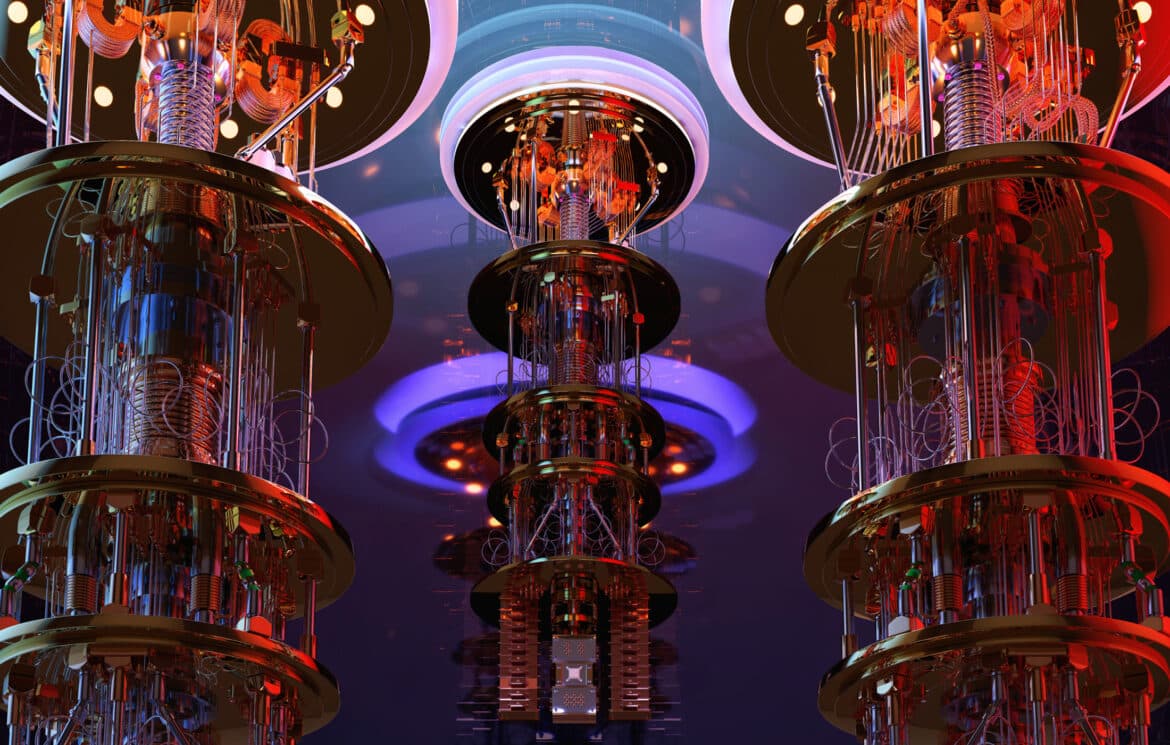
Quantum Systems Integration — If QOA is the design philosophy, QSI is the engineering discipline. This article defines what quantum systems integration actually involves: selecting components across the quantum stack (qubits, control hardware, cryogenics or photonics infrastructure, firmware, software, and cloud interfaces), managing the interfaces between them, handling the unique integration challenges that quantum systems present (noise sensitivity, calibration complexity, cryogenic constraints), and delivering a working system that meets a customer’s specific requirements. It examines why QSI is emerging as a distinct profession and business model — separate from both quantum hardware companies and enterprise IT integrators — and what capabilities a credible quantum systems integrator needs.
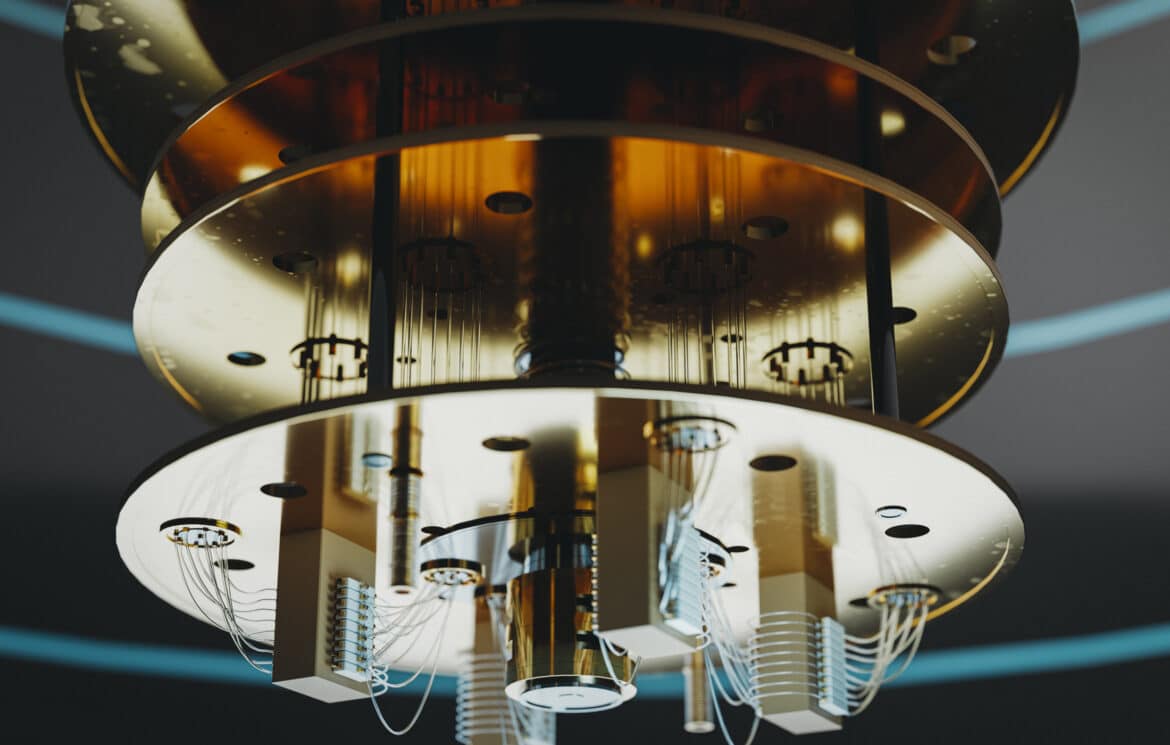
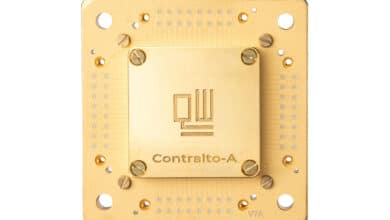
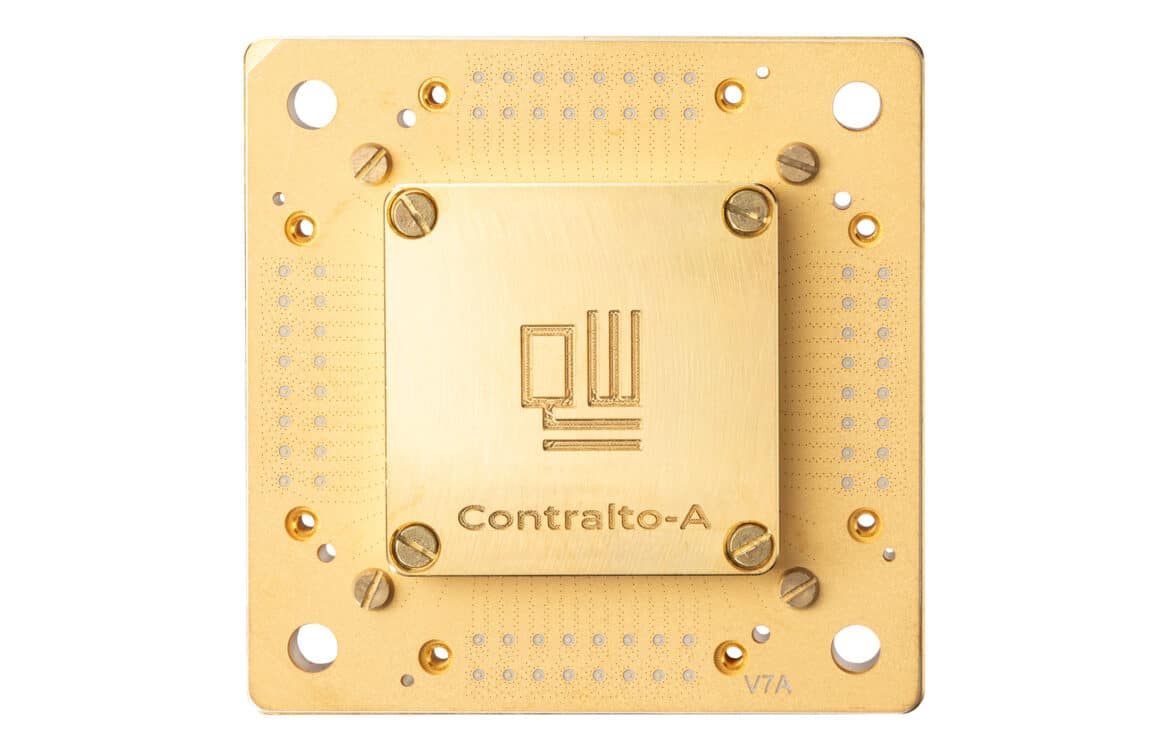
Inside Quantum Computing’s Modular Revolution — Discussion with QuantWare’s CEO Matt Rijlaarsdam — This conversation with the CEO of QuantWare — one of the first companies to sell quantum processors as standalone components — grounds the QOA and QSI concepts in commercial reality. QuantWare’s business model is itself a proof point: they manufacture superconducting quantum processors and sell them to customers who integrate them with their own control electronics, cryogenics, and software. The discussion covers the practical challenges of making quantum hardware modular and interoperable, the role of standardized interfaces, the emerging customer base for component-level quantum hardware, and what the modular supply chain looks like today.
The stack: what sits between the qubit and the application
The Nervous System of Quantum Computing: A Deep Dive into Quantum Control Systems — Control systems are the layer that translates abstract quantum operations into physical reality: precisely timed microwave pulses, laser sequences, voltage ramps, and readout signals that manipulate individual qubits at nanosecond timescales. This article maps the control stack in detail — from pulse-level electronics through real-time feedback loops to calibration and error-mitigation routines — and examines the key companies (Zurich Instruments, Quantum Machines, Keysight, and others) building this critical infrastructure. In a modular QOA world, control systems become one of the most important integration interfaces — and one of the most complex.
Engineering the Quantum Operating System (OS) Stack: From Nanosecond Pulse Control to System-Level Orchestration — Above the control electronics sits the software layer that orchestrates the entire quantum system: scheduling circuits, managing error correction, handling classical-quantum co-processing, and presenting a usable interface to applications and users. This article dissects the quantum OS stack layer by layer — from low-level pulse compilers and hardware abstraction layers through circuit optimizers, error decoders, and runtime schedulers, up to the high-level frameworks and APIs that developers actually interact with. It examines why building a quantum OS is fundamentally different from building a classical one, and why the OS layer is where much of the competitive differentiation — and the integration complexity — will ultimately live.

The Quantum Computer That Breaks Your Encryption Won’t Be a Single Chip — This article makes a critical and often-overlooked argument: the cryptographically relevant quantum computer (CRQC) that eventually threatens RSA and ECC will almost certainly not be a single monolithic processor. It will be a heterogeneous system — combining multiple quantum processor modules (potentially of different modalities), massive classical computing infrastructure for error correction and decoding, specialized interconnects, and orchestration software that manages the entire ensemble as a unified computational resource. This is the ultimate systems integration challenge, and it connects QOA and QSI directly to the quantum security story: understanding how a CRQC will actually be built changes how you assess the timeline and the threat.
Delivery: how users access quantum computing
Quantum-as-a-Service (QaaS) — For most organizations, quantum computing will arrive not as hardware in a data center but as a cloud service. This article examines the QaaS landscape: how quantum cloud platforms work, what the major providers (IBM, Amazon Braket, Azure Quantum, Google, and others) offer, the trade-offs between cloud access and on-premises quantum systems, and the emerging questions around data sovereignty, access control, and vendor lock-in that QaaS introduces. It also connects QaaS to the QOA thesis: as quantum systems become modular and open, the cloud delivery layer itself becomes composable — users may eventually mix quantum backends from different vendors through a single orchestration layer, just as they do with classical multi-cloud today.

Where this series connects to other Deep Dives
The QOA and QSI story does not exist in isolation. It intersects directly with several other Deep Dive series on PostQuantum.com:
- What It Takes to Build a Quantum Computer maps the supply chains that QSI practitioners must navigate — you can’t integrate components you can’t procure.
- Quantum Computing Modalities explains the physics and engineering trade-offs of each approach — the diversity of modalities is what makes QOA necessary and QSI valuable.
- Quantum Sovereignty examines why governments care about controlling the quantum stack — and why QOA and sovereign quantum clouds are becoming intertwined policy questions.
This series examines technology and market dynamics. It does not constitute financial or investment advice.
Quantum Upside & Quantum Risk - Handled
My company - Applied Quantum - helps governments, enterprises, and investors prepare for both the upside and the risk of quantum technologies. We deliver concise board and investor briefings; demystify quantum computing, sensing, and communications; craft national and corporate strategies to capture advantage; and turn plans into delivery. We help you mitigate the quantum risk by executing crypto‑inventory, crypto‑agility implementation, PQC migration, and broader defenses against the quantum threat. We run vendor due diligence, proof‑of‑value pilots, standards and policy alignment, workforce training, and procurement support, then oversee implementation across your organization. Contact me if you want help.