Deep Dive Series
Quantum Systems Integration (QSI) & Quantum Open Architecture (QOA)
Today’s quantum computers are monoliths. A single vendor designs the qubit chip, builds the control electronics, writes the firmware, develops the software stack, and operates the cloud platform. The customer gets a black box — an impressive, expensive, proprietary black box with no ability to swap components, mix vendors, or customize the stack. This is exactly where classical computing was in the 1960s, before open architectures and modular hardware broke the mainframe model apart and created the most productive technology ecosystem in history.
This Deep Dive series explores quantum computing’s version of that same structural shift. Quantum Open Architecture (QOA) is the design philosophy driving it — building systems from interchangeable, standards-based components. Quantum Systems Integration (QSI) is the engineering discipline that makes it real. The capstone article maps the transition end to end; the individual articles go deeper on each layer — from control systems and operating systems through heterogeneous architectures to cloud delivery and QaaS.
-

Today's quantum computers are monoliths — a single vendor designs the chip, builds the control electronics, writes the software, and operates the cloud platform. The customer gets a black box. This is exactly where classical computing was in the 1960s, before open architectures, standardized interfaces, and modular hardware broke the mainframe model apart and created the most productive technology ecosystem in history. Quantum computing is now entering the same transition. Quantum Open Architecture (QOA) is the design philosophy driving the shift: building quantum systems from interchangeable, standards-based components assembled by integrators rather than consumed as proprietary stacks. Quantum Systems Integration (QSI) is the engineering discipline that makes QOA real — selecting, combining, testing, and operating components across the full quantum stack. This capstone article maps the transition across three layers: the structural shift from monoliths to modules, the technical stack that must be disaggregated and reassembled (control systems, operating systems, heterogeneous architectures), and the delivery models that determine how users actually access quantum computing. Together, QOA and QSI represent the industrialization of quantum computing — what takes it from physics experiment to engineering product.
Read More »
-
Quantum Systems Integration

Inside Quantum Computing’s Modular Revolution – Discussion with QuantWare’s CEO Matt Rijlaarsdam
Quantum computing is entering a new phase where scaling up isn’t just about qubit counts - it’s about how those qubits are built and integrated. A recent discussion with QuantWare’s CEO, Matt Rijlaarsdam, shed light on “quantum open architecture” (QOA) approach that could transform the industry. By focusing on modular design and specialization (instead of monolithic, end-to-end systems), companies hope to break through scaling bottlenecks…
Read More » -
Quantum Systems Integration
Engineering the Quantum Operating System (OS) Stack: From Nanosecond Pulse Control to System-Level Orchestration
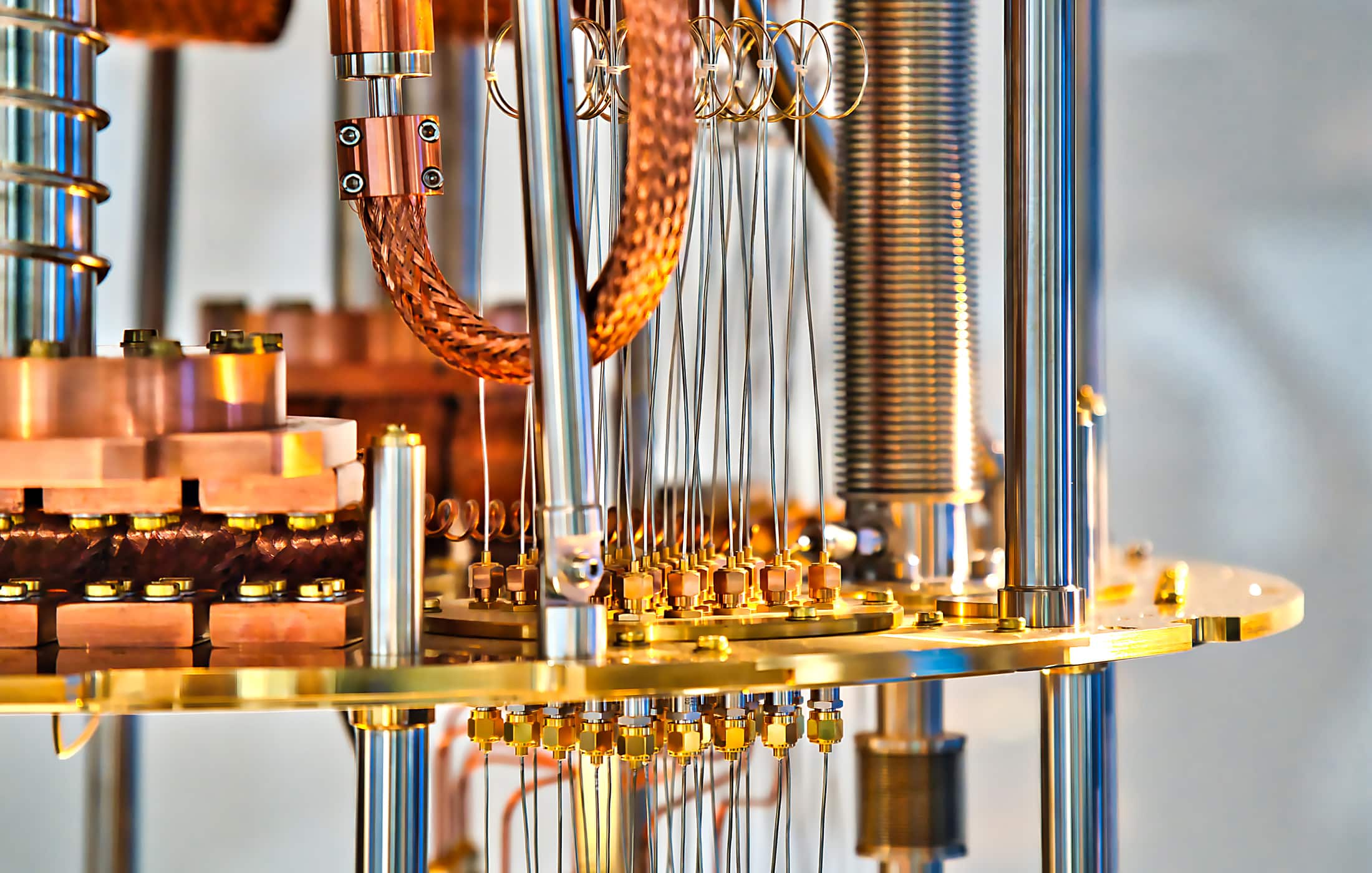
The argument for quantum computing's "PC moment" has become surprisingly compelling. QuantWare ships superconducting QPUs to customers in 22 countries. Qblox sells modular control stacks to over 100 labs. Bluefors has installed 1,800 cryogenic systems worldwide. The Quantum Open Architecture movement and reference designs like the Quantum Utility Block are proving that you can assemble a working quantum computer from commercial off-the-shelf components — much…
Read More » -
Quantum Computing
Quantum Open Architecture (QOA): The “PC Moment” of Quantum Computing
Today, a sea change is underway. Quantum Open Architecture (QOA) is doing for quantum computing what the PC revolution did for classical computing - opening up the ecosystem. Just as the computing world shifted from monolithic mainframes to modular PCs with swappable parts, quantum tech is embracing modularity and specialization. Instead of one vendor building and owning the whole machine, different specialists provide the processor,…
Read More » -
Quantum Systems Integration
Quantum Systems Integration
Quantum Systems Integration (QSI) refers to the holistic process of designing, assembling, and deploying quantum computing systems and ensuring they work seamlessly with classical systems. In simpler terms, a quantum systems integrator is like a general contractor for quantum projects - bringing together the “parts” (quantum processors, control electronics, cryogenic hardware, software, networking) and making sure they all operate in concert. Historically, this wasn’t even…
Read More » -
Quantum Computing
The Nervous System of Quantum Computing: A Deep Dive into Quantum Control Systems
In July 2025, Keysight Technologies shipped a piece of equipment to a research institute in Tsukuba, Japan, that most people outside the quantum industry had never heard of - yet without it, the 1,000-qubit quantum computer it was destined for would have been little more than an extraordinarily expensive refrigerator. The device was a quantum control system: a dense rack of electronics designed to translate…
Read More » -
Quantum Computing
Quantum-as-a-Service (QaaS)
Quantum-as-a-Service (QaaS) - also called Quantum Computing as a Service (QCaaS) - is essentially cloud-based access to quantum computing resources. In simple terms, a third-party hosts quantum computers (and related software tools) in the cloud, and users access those quantum capabilities remotely over the internet. This model parallels other “as-a-Service” offerings like Software-as-a-Service or Infrastructure-as-a-Service. The cloud provider handles the complex quantum hardware and software…
Read More » -
Quantum Computing
The Quantum Computer That Breaks Your Encryption Won’t Be a Single Chip
There's a question that has quietly bothered me for years, one the quantum computing industry has mostly avoided asking out loud: why are we trying to build a quantum computer the way we stopped building classical computers fifty years ago? The modern data center doesn't run on one kind of chip. It runs on CPUs, GPUs, TPUs, FPGAs, DPUs, and increasingly specialized accelerators - each…
Read More »